
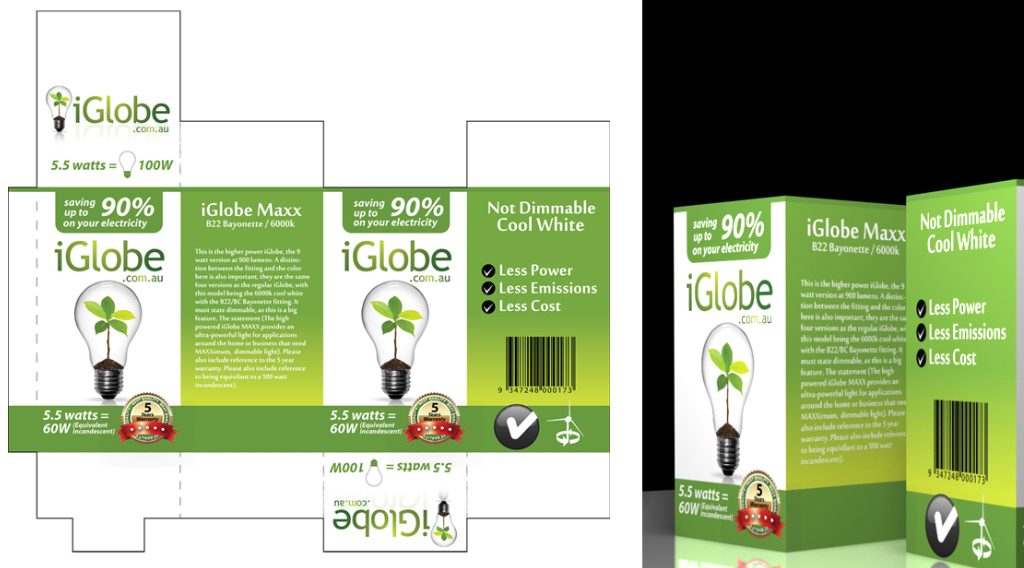
How to Create a Lasting Brand Impression
First impressions matter a lot in competitive markets. Digital marketing is taking center stage, but good old print and packaging designs continue to work effectively to attract customers. An effective package and print designs are not just meant to convey information but also represent the level of professionalism in your company.
There are different types of prints and packages in today’s market including business cards, brochures, product boxes, labels, and shopping bags. Here, we will discuss the importance of print and packaging designs and how you can use these designs to enhance your business.
Print and packaging design involves coming up with design layouts and images on various print media such as:
- Product Boxes
- Labels and stickers
- Brochures
- Flyers
- Catalogs
- Business cards
- Shopping bags
- Posters
- Promotional materials
These are physical products that are used to promote goods or services.
Why Package Design Is Important
Package designs have always been important since packaging is the first impression of a product for the consumer. Good packaging will catch the eyes of prospective customers and encourage them to purchase the goods.
Effective packaging design will assist you in:
- Increasing visibility
- Building trust and credibility
- Differentiating your brand from other products
- Enhancing the experience of customers
- Facilitating repeat business
There is a tendency for people to correlate good packaging with high-quality goods; hence the need for good designs when marketing a product.
The Importance of Print Design in Marketing Campaigns
Print designs continue to be significant for any marketing strategy since they provide the kind of tangible experience that cannot be achieved with digital material.
- Effective print designs can help in:
- Creating brand identity
- Delivering key information effectively
- Conducting successful presentations
- Marketing events and offers
- Creating impressions after meetings
These print materials whether used at exhibitions or sent directly to customers will go a long way in growing your business.
Maintain Branding Consistency
One of the main factors in the success of both print and packaging design is consistency.
All your designs should convey your branding through the use of:
- Placement of logo
- Colors
- Typography
- Style
- Language
Simplicity is Key
It is better to design using few elements instead of adding as much as possible.
Do not confuse customers by placing too many graphics and texts in your designs. Rather:
- Employ clear headings
- Provide enough white space
- Emphasize important information
- Balance the visual elements
These techniques enhance clarity and add to the professionalism of your designs.
Choose High-Quality Pictures
Pictures affect customers’ perception of your brand greatly.
Ensure that your designs include:
- Product pictures with high resolution
- Professional illustrations
- Clear icons
- Unified visuals
Poor-quality images lower the value of your brand and its products.
Pick Readable Typography
It is important to consider typography for the sake of both readability and aesthetics.
Fonts should be:
- Characteristics of the company image
- Easy to read in various sizes
- Unified in your designs
Using one or two typefaces throughout all projects improves your visual identity.
Be Aware of Technical Requirements
Designing for print involves certain technical issues.
Make sure to include such requirements in your designs as:
- CMYK color mode
- Resolution of 300 DPI
- Bleed
- Margins and crop marks
Make Packaging Functional
Attractive packaging must also be functional.
Take into account the following:
- Opening and closing ease
- Product protection
- Efficient storage
- Durability during transportation
- Convenience for the user
Functional packaging increases customer satisfaction and minimizes product damage.
Include Important Information in an Informative Way
- Packaging should convey information but not make the package look too cluttered.
- Based on the specific product, make sure to put on:
- The product’s name
- Product features and benefits
- Instruction on use
- List of ingredients or specifications
- Safety tips
- Contact information
- QR code
Display all the information in an organized way.
Sustainability is Key
Increasingly many customers prefer environmentally friendly brands.
- Think about including:
- Recyclable materials
- Minimal packaging
- Soy ink
- Reusable packaging designs
- Environmentally sustainable printing techniques
Apart from helping you contribute to preserving the environment, sustainability will positively affect your image as a brand.
Prototype Your Designs Prior to Mass Printing
Always create prototypes before mass printing.
Check for:
- Color
- Text alignment
- Quality of the material
- Design structure
- Print quality
Common Errors to Avoid
When creating print and packaging design, some common errors that businesses make to lower their effectiveness are:
- Being inconsistent in their branding
- Overusing texts in the layout
- Using low-quality images
- Neglecting print specifications
- Choosing difficult fonts to read
- Lacking clear calls to action
Avoiding the above mistakes will ensure that your prints or packaging designs are both attractive and professionally done.
Conclusion
Designing packaging and printing are much more than just aesthetics. Your business must consider the process of printing and packaging design as a crucial element in its marketing and brand identity.
By incorporating the principles of consistency, simplicity, legibility, functionality, and sustainability into your design, businesses can create a design that not only looks good but also delivers a great marketing advantage.